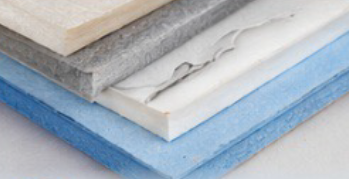





LOW-MELTING-POINT POLYESTER CHIP TECHNOLOGY
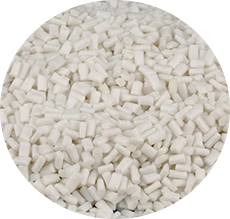
LOW-MELTING-POINT
POLYESTER CHIPS
Specially developed polyester chips with a low melting temperature.

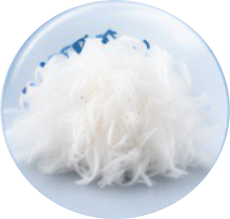
YARN / FIBER PRODUCTION
The polyester chips are converted into yarn or fiber for a range of textile applications.

HEAT ACTIVATION
During heat treatment, the low-melting-point polyester component softens or melts.
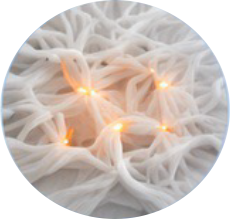
THERMAL BONDING
The softened or molten polyester component helps form bonds between fibers.

FINAL TEXTILE PRODUCT
After cooling, the bonds help maintain the integrity of the textile structure.
Customer Applications
Low-Melting-Point Advantage
- Developed as an alternative to standard PET polyester, which has a melting point of approximately 260°C.
- Offers solutions for a range of production needs, with different melting-point options from 110°C to 220°C.
- Its low melting temperature offers an advantage in production processes where fibers are bonded using heat.
Thermal Bonding Properties
- During heat treatment, bonds can form between fibers as the low-melting-point polyester component softens or melts.
- Helps hold fibers together in binder-fiber applications.
- Under suitable production conditions, it helps maintain the shape and integrity of the textile structure.
Textile Applications
- Offers a raw-material option for producing binder fibers used in thermally bonded nonwovens.
- Can be used in home-textile applications such as mattresses, duvets, pillows, and furniture fillings.
- Offers solutions for automotive interior textiles, filtration, and technical-textile applications.
APPLICATION AREAS
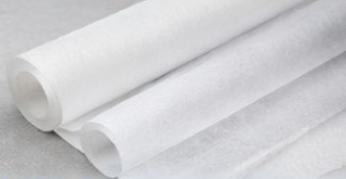
YARN & TEXTILES

FOOTWEAR

BEDDING
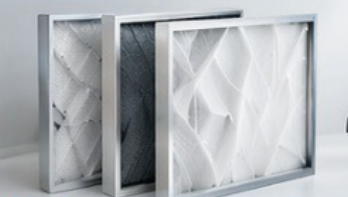
FILTRATION

AUTOMOTIVE
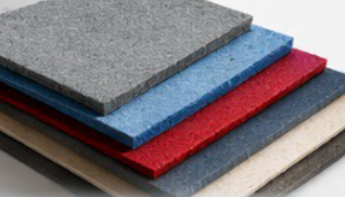
ACOUSTIC PANELS
TECHNICAL TEXTILES

FURNITURE
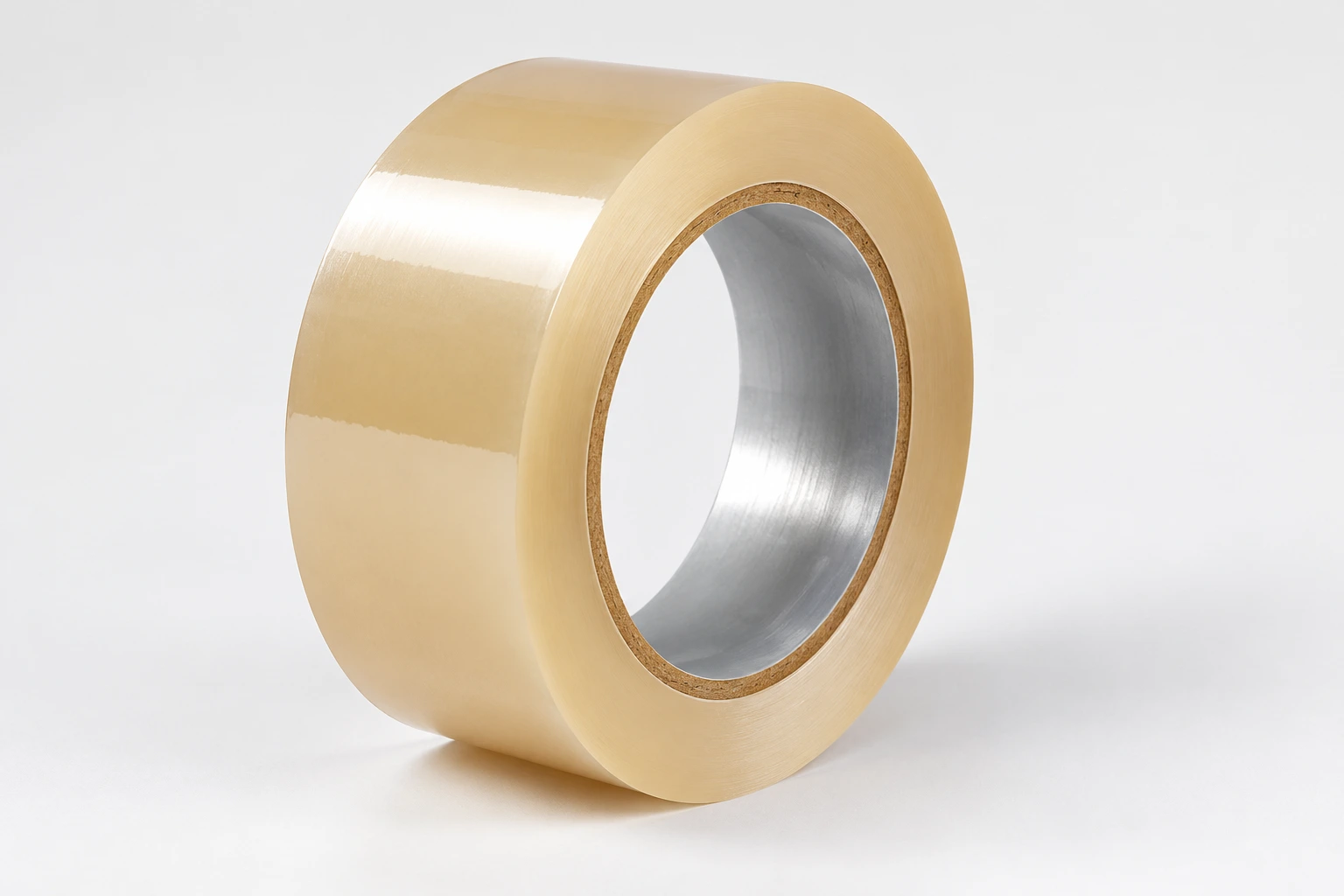
PACKAGING