








Chemical recycling of PET bottle flakes through depolymerization using the glycolysis-free system
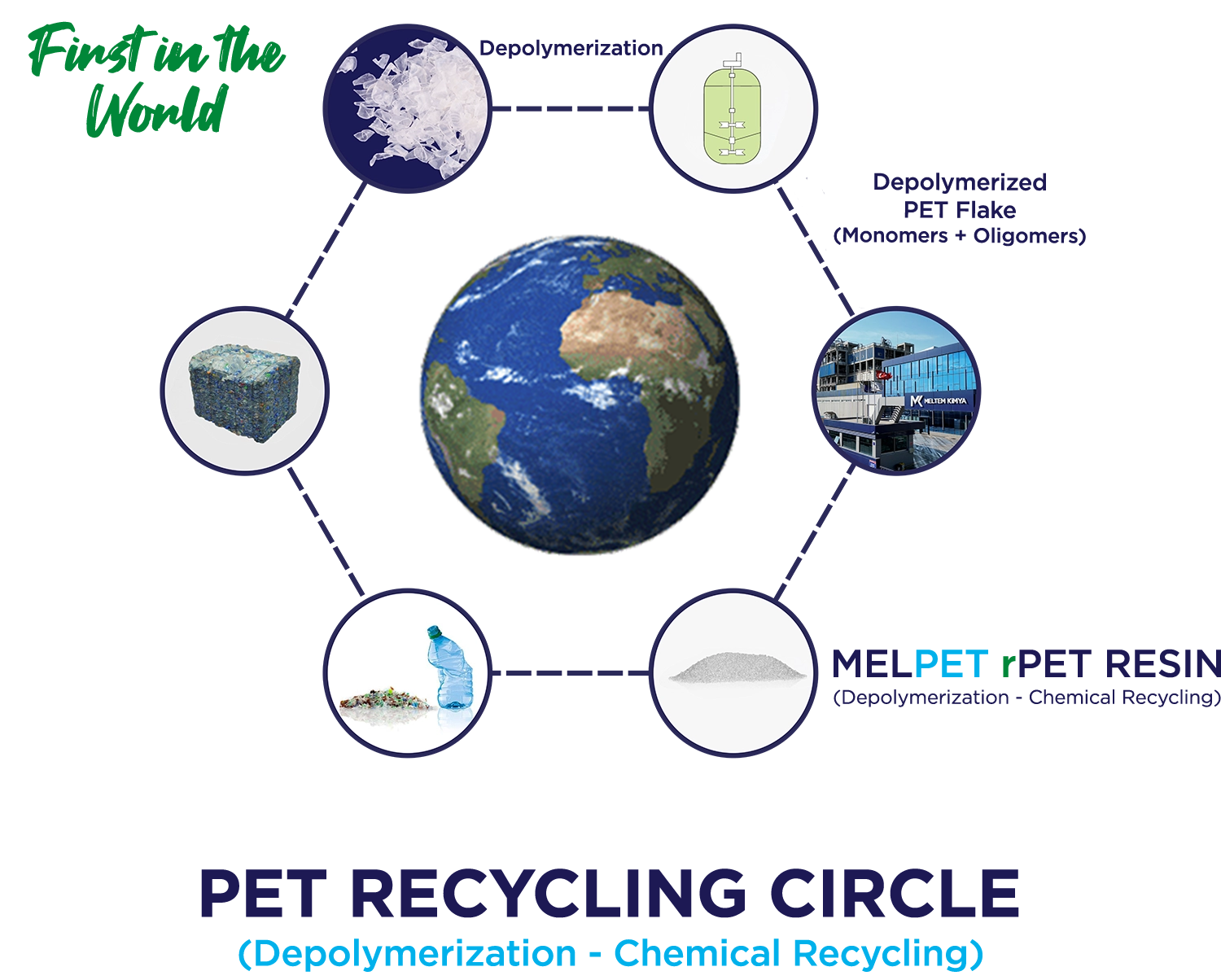
The Largest rPET Production Capacity
at one single plant in the World!
MELPET rPET Resin product groups are produced by depolymerizing high-quality, hot-washed post-consumer PET bottle flakes using the glycolysis-free method (chemical recycling).
25%, 30%, 50%, and 100% recycled-content grades are available.
Suitable for CSD (carbonated soft drinks), water bottles, textiles and monofilaments, BOPET film, hot-fill, and CPET applications.
Various product grades are available for different applications, ranging from 0.64 IV (Amorphous) to 0.86 IV (SSP).
Provides a lower CO2 footprint.
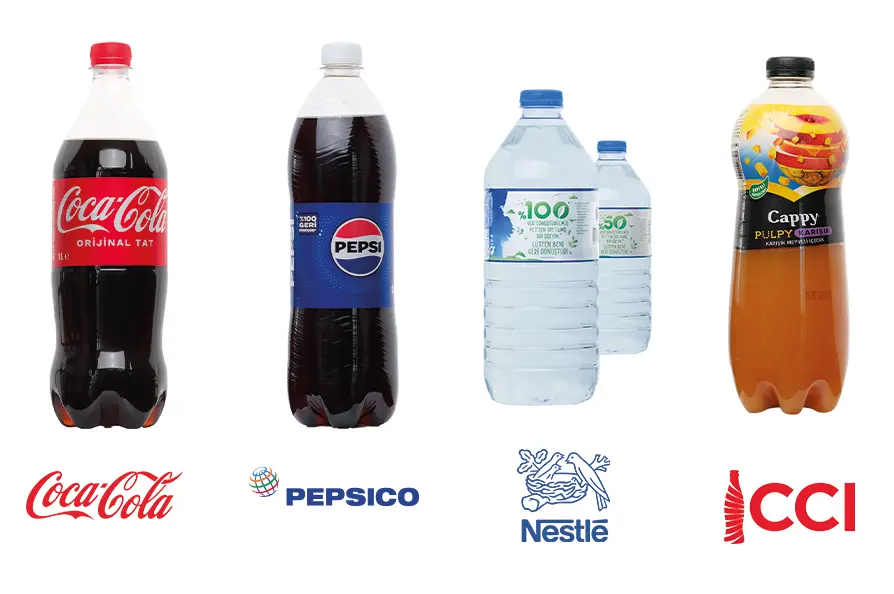
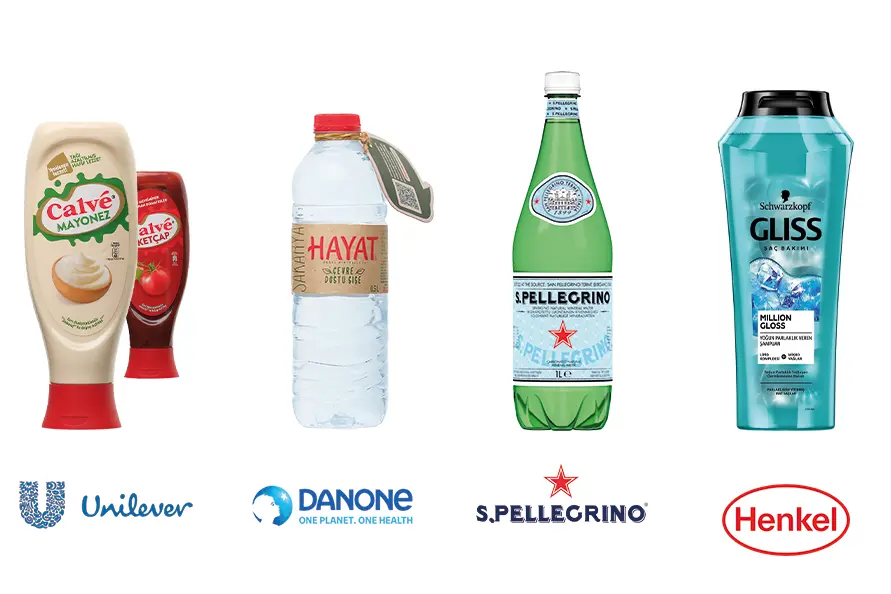
Approved by global beverage and packaging companies.
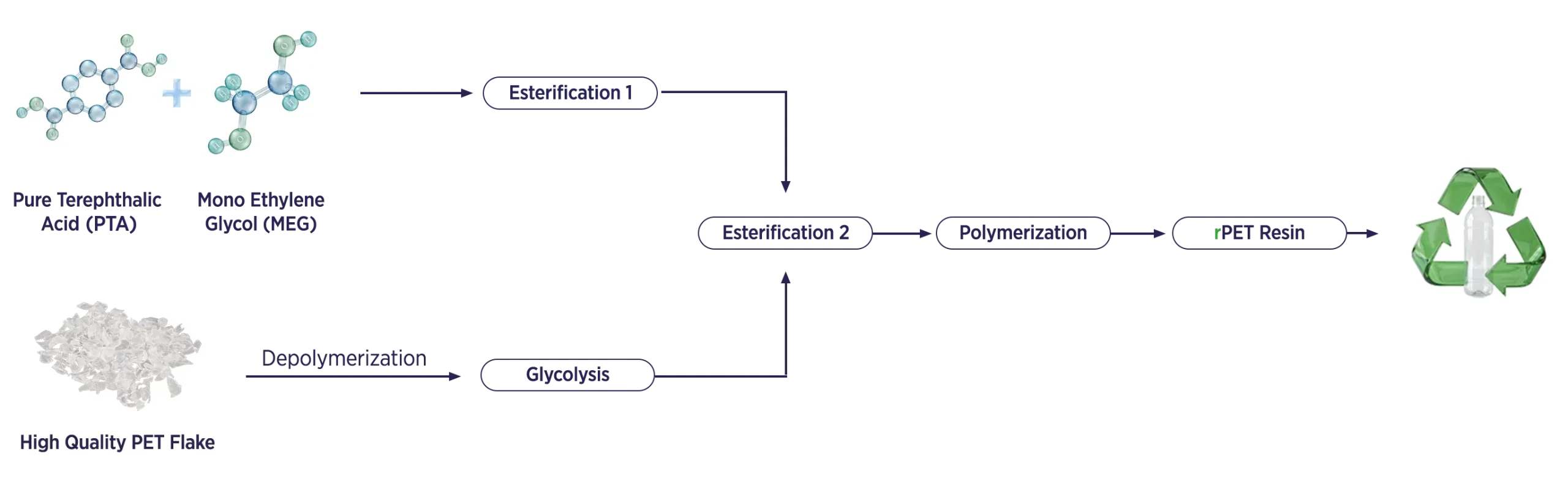
Meltem Kimya rPET Production Method: Chemical recycling (depolymerization) is the conversion of PET polymer into monomers, the smallest components of the polymer chain, using a glycolysis-free method. High-quality PET flakes arrive at Meltem Kimya from approved, licensed suppliers that collect, sort, and wash used food-contact PET bottles, removing contaminants, sorting them by color, disinfecting them through hot washing, and processing them into flakes. Although the PET flakes are of high quality, they are not fed directly into the depolymerization process. First, they are prepared for depolymerization in our proprietary classification and conditioning facility to minimize PVC, other plastics, and impurities. The conditioned flakes are transferred to our PET resin production facility, where oligomers and monomers obtained through depolymerization (chemical recycling) are combined with virgin raw materials in specific proportions and polymerized to produce rPET resin for food-grade PET packaging. The rPET resin supplied to the market is converted into PET bottles and used as food-safe packaging, creating a fully circular and potentially infinite recycling solution.
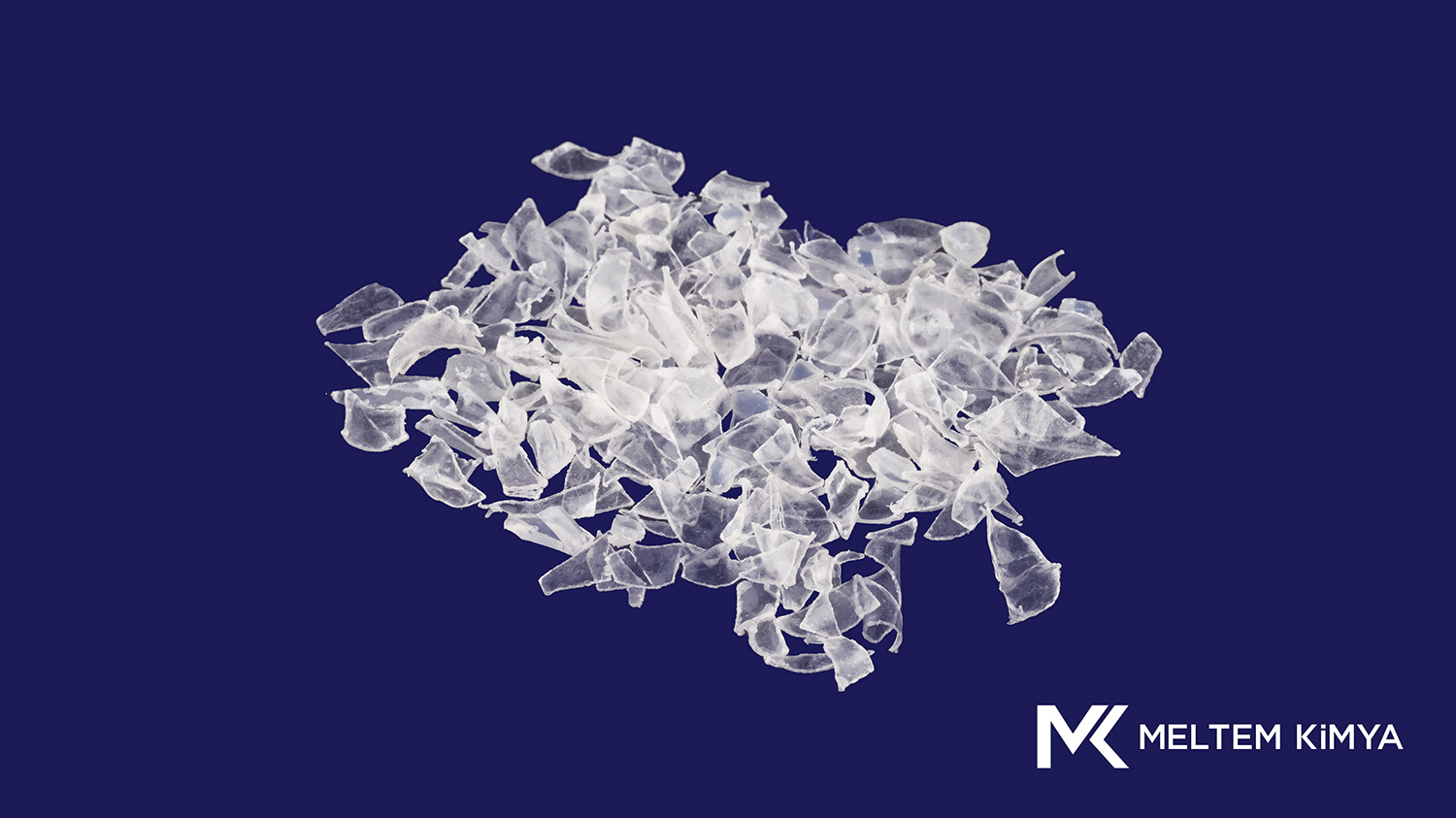
Since 2014, Meltem Kimya has been producing rPET Resin by recycling high-quality, hot-washed PET flakes obtained from post-consumer food-contact PET bottles through depolymerization (chemical recycling) in a glycolysis-free system. Unlike products made from virgin resin, products made from rPET resin require fewer natural resources and are therefore environmentally friendly. They are recyclable and contribute to the sustainability cycle. PET can be recovered (recycled) in several ways; the best-known methods are mechanical (physical) recycling and chemical recycling.
Mechanical recycling of PET bottles involves melting washed packaging flakes under heat and pressure and reprocessing them into granules. These granules may be processed as-is or blended with virgin PET resin. Because packaging produced from mechanically recycled raw materials may contain PVC impurities that pose a risk to human health, this method is prohibited in Türkiye and is not permitted under the Turkish Food Codex. Packaging produced through mechanical recycling can only be recycled 4–7 times.
Chemical recycling is one of the most important methods for recovering PET bottles. Its purpose is to completely remove contaminants and impurities from PET flakes through depolymerization in a glycolysis-free system. Chemical recycling is an important step toward achieving a circular economy. By recovering used beverage bottles and converting them through the appropriate process into rPET resin suitable for food-grade PET packaging, we complete the zero-waste cycle and move toward a healthier, more sustainable future. Packaging produced through chemical recycling can be recycled indefinitely.
In the chemical depolymerization method, recycled PET reacts with a sufficient amount of ethylene glycol at temperatures above 200°C under pressure. In the glycolysis-free unit, the reaction is repeated several times until polymerization is reversed to produce bis(2-hydroxyethyl) terephthalate (BHET) and short-chain polymers. The molten BHET is then purified under heat and pressure to completely remove impurities.
