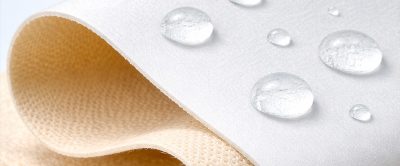





(FROM POST-CONSUMER AND POST-INDUSTRIAL TEXTILE WASTE)


According to global data for 2025, approximately 120 million tons of polyester textile waste is generated worldwide, and this volume continues to increase every year. Today’s widely used mechanical recycling methods reduce material quality with each cycle, limiting the ability to process textile waste within a truly circular system.
Meltem Kimya combines its technical expertise in PET resin production with its specialization in chemical recycling to offer innovative solutions to the textile industry. Following upgrades to its existing facilities in 2025, the company began producing high-quality polyester chips from textile waste. Its proprietary chemical recycling technology converts polyester waste into polyester chips with quality and performance characteristics comparable to virgin raw materials.
This innovative approach provides a circular solution to a major bottleneck in the textile industry. The polyester chips produced are now used commercially in domestic and international markets and successfully meet industry expectations for performance and process compatibility in filament yarn, staple fiber, and other polyester-based applications.
Our Technology: rTEX Chips Production from Textile Waste and PET Flakes via Glycolysis-Based Chemical Depolymerization
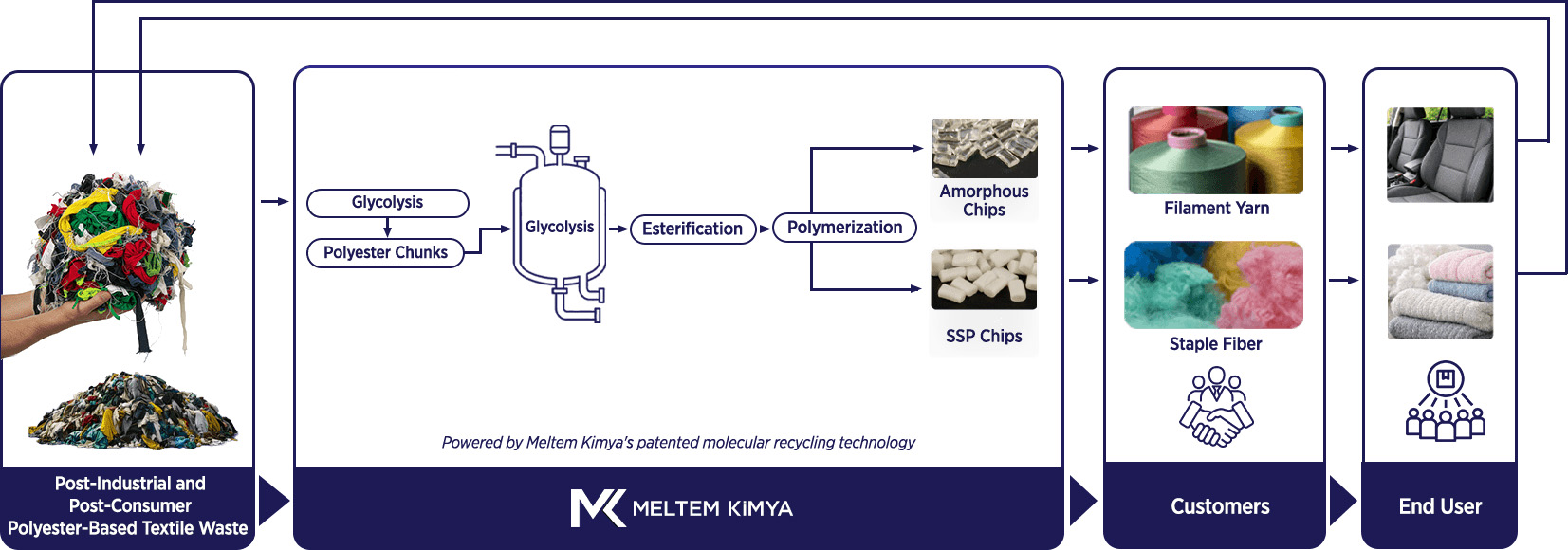
Patented Chemical Recycling
Through chemical depolymerization, polyester waste is broken down to the monomer level and restructured. This minimizes the quality losses associated with mechanical recycling while preserving the material’s performance, durability, and process compatibility.
Process
Our patented chemical recycling technology can convert not only 100% polyester textile waste but also polyester/cotton blends, textile waste containing certain proportions of elastane, production scraps, unused inventory, and end-of-life textile products into high-quality polyester raw materials. Our technology is flexible enough to process both post-industrial and post-consumer waste streams. In many cases, waste can enter the process without the prior removal of zippers, buttons, and similar accessories, enabling complex textile waste to be recovered more efficiently and sustainably.
Verified Circularity
This approach supports the circular economy, reduces the need for virgin raw materials, and helps lower the carbon footprint. Recycled content is verified through GRS and ISCC PLUS certifications, and a shipment-specific Transaction Certificate (TC) can be issued for recycled content upon customer request. The environmental impacts of our products are comprehensively assessed and reported using Life Cycle Assessment (LCA) methodology.


APPLICATION AREAS
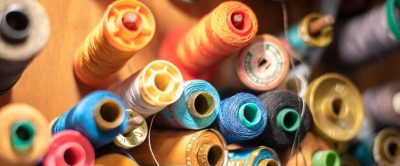
FDY
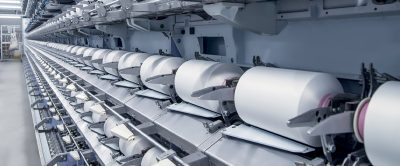
Textured Yarn Production
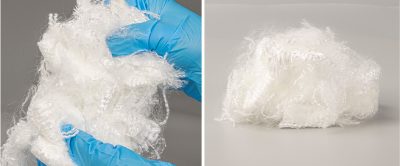
Staple Fiber
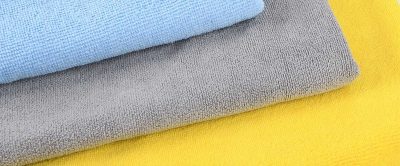
Microfiber Applications
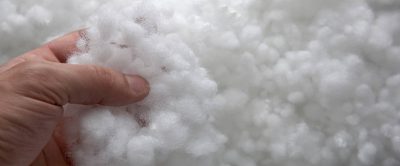
Filling Fiber
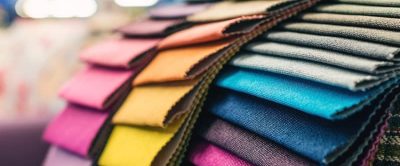
Carpet and Apparel Textiles
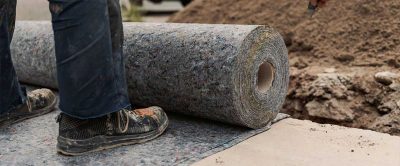
Geotextile Applications